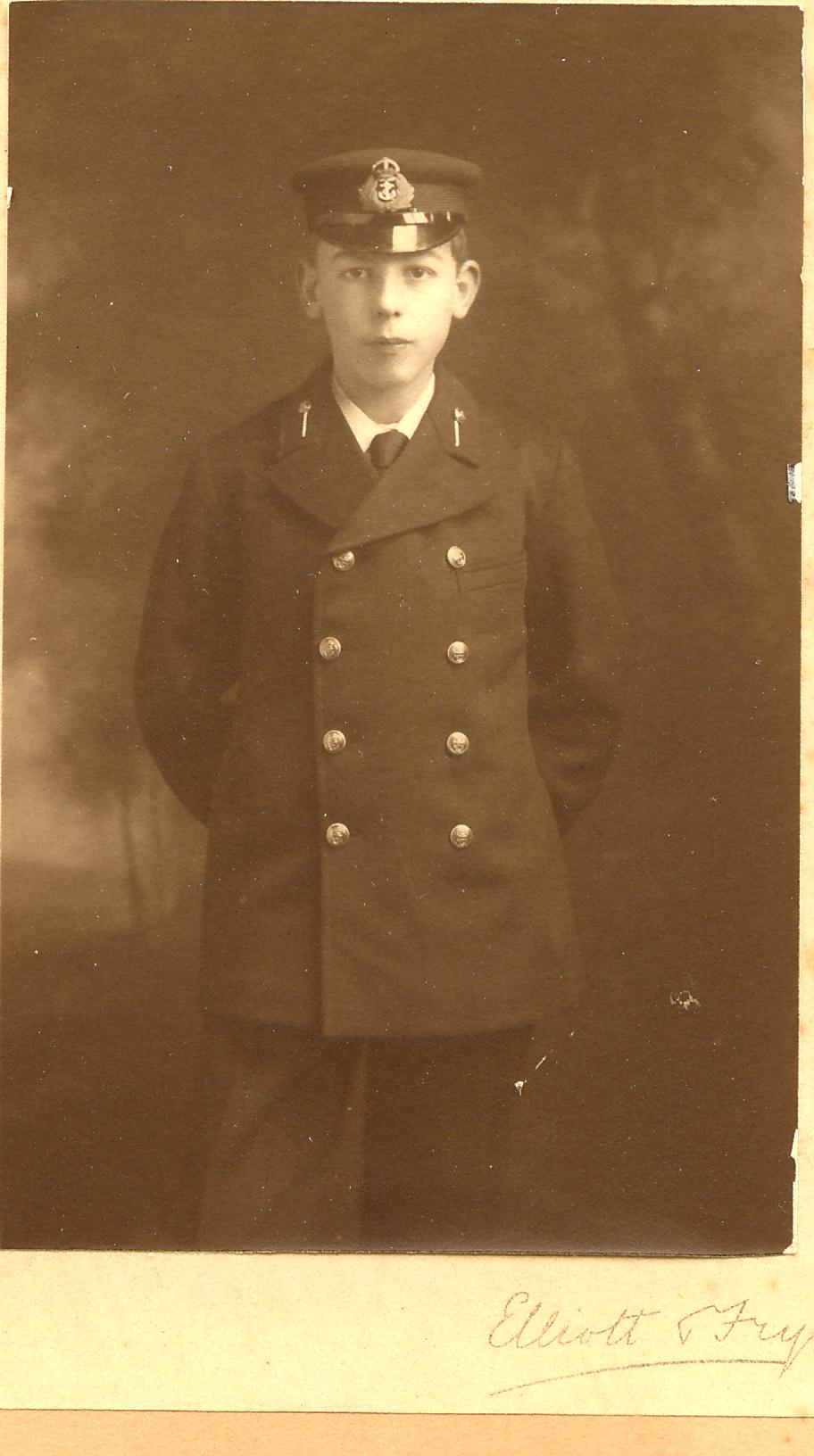
Memorable descriptions of Frederic Thornton “Fritz“ Peters

Leave a comment

“His courage was massive, like his shoulders.” – United Press war correspondent Leo Disher

“He was strikingly calm, almost annoyingly so”. – Leo Disher

“Completely without fear, dedicated to duty or his own interpretation of it, and tough as old rope.” – Commander David Joel, RN

“His determination, his courage, his unquenchable gaiety” – British war correspondent A.D. Divine

“(Oran) was a desperate adventure against appalling odds and it was only Fritz’s grim determination and heroism against these odds which enabled the Walney to be berthed alongside the jetty“. – Commander Cromwell Varley, DSO

“Danger never had any bearing for him, and engaging the enemy was the one thing he lived for.“ – Rear Admiral Frederick Dalrymple-Hamilton

“This Oran business was Peters all over. A first-class man.” – Admiral A.M. Peters (no relation)

“He had faraway naval eyes and a gentle smile of great charm… Our trainees came to adore him“. – Kim Philby, who served under Peters in 1940 in a British Secret Intelligence Service spy school.

“A typical Elizabethan gentleman adventurer.” – Paymaster-commander S.W. Saxton, RN

“His courage was of a caliber which realized danger even if fear was unknown to him. – S.W. Saxton

“Where duty lay, so was his set purpose, and no sacrifice was too great to carry out that duty to its end.” – S.W. Saxton

“I have not yet met anyone who did not love him or admire him.“ – S.W. Saxon

“I propose that the bravest Canadian may well have been Frederic Thornton Peters, RN”. – Commander (ret.) F.J. Blatherwick

Memorable Quotes of Frederic Thornton Peters

Leave a comment

Capt. Frederic Thornton “Fritz” Peters wasn’t just a man of action. As evidenced in his letters home and in the quotes below, he was well-read, knowledgeable of history, articulate and had a wry sense of humour.

“ It is not given to every man to be so fortunate as to fight for his country.”
– September 1914

“I have a deep and I hope true love of Canada and perhaps some small idea of its future greatness and an undying firm belief in the absolute need of unity in the Empire.”
– 1916

“I pray God I fall in the same manner with my face to the enemy.”
– 1916, after the death in battle of his brother Gerald.

“A death in action — surely if we are judged for the vast eternity by this brief mortal span — must be something.”
– 1916

“There is only one thing — the King and Empire.”
– 1916

“Death is nothing compared to dishonour.”
– 1917

“Forget all you saw or heard in the last war. This is hell, but I still have my sword sharpened.”
– after the Battle of Narvik, 1940

“I am probably going to be killed, but it’s worth it.”
– October 1942

“This is my meat. I don’t feel my best until I smell the smoke of battle.”
– steaming towards Oran, Algeria. November 7, 1942

Nelson Star article on “The Bravest Canadian — Fritz Peters, VC”

Leave a comment

star story 1 001

The image above is from “The Vurb” culture insert of the Nelson Star on Dec. 14, 2012. To see the full article, go to http://www.nelsonstar.com/news/183103291.html?c=y&curSection=/&curTitle=BC+News&bc09=true

Book launch event December 15th at Touchstones in Nelson, B.C.

2 Comments

Sam McBride, author of “The Bravest Canadian – Fritz Peters, VC: The Making of a Hero of Two World Wars” will launch the book in Nelson, British Columbia on Saturday, December 15th

He will be in the lobby of the Touchstones Nelson – Museum of Art and History at 502 Vernon Street in Nelson from 1 pm to 3 pm.

While Capt. Frederic Thornton “Fritz” Peters never lived in Nelson himself, his mother Bertha Gray Peters and his sister Helen Dewdney and her family resided in Nelson from 1929 to 1969.  Previously, they lived in the nearby West Kootenay communities of New Denver, Rossland and Trail as Helen’s husband Ted Dewdney was transferred around the region to manage branches of the Bank of Montreal.  

After Capt. Peters’ death in an air crash near Plymouth, England in November 1942, a delegation from President Roosevelt and General Eisenhower came to Nelson in February 1944 to officially present the U.S. Distinguished Service Cross medal he earned for action in the harbour of Oran, Algeria to his mother Bertha Gray Peters as next-of-kin. 

In 1946, a mountain on the west edge of Nelson was named Mount Peters in his honour.  Since then, Helen Dewdney’s children and descendants have donated a number of artifacts and photographs to the museum and archives in Nelson, mostly related to the Hon. Edgar Dewdney, builder of the Dewdney Trail, who was Ted Dewdney’s uncle and legal guardian after Ted’s parents died when he was 11. 


70 Years Ago Gen. Eisenhower Awarded U.S. DSC to Capt. Frederic Thornton Peters

Leave a comment

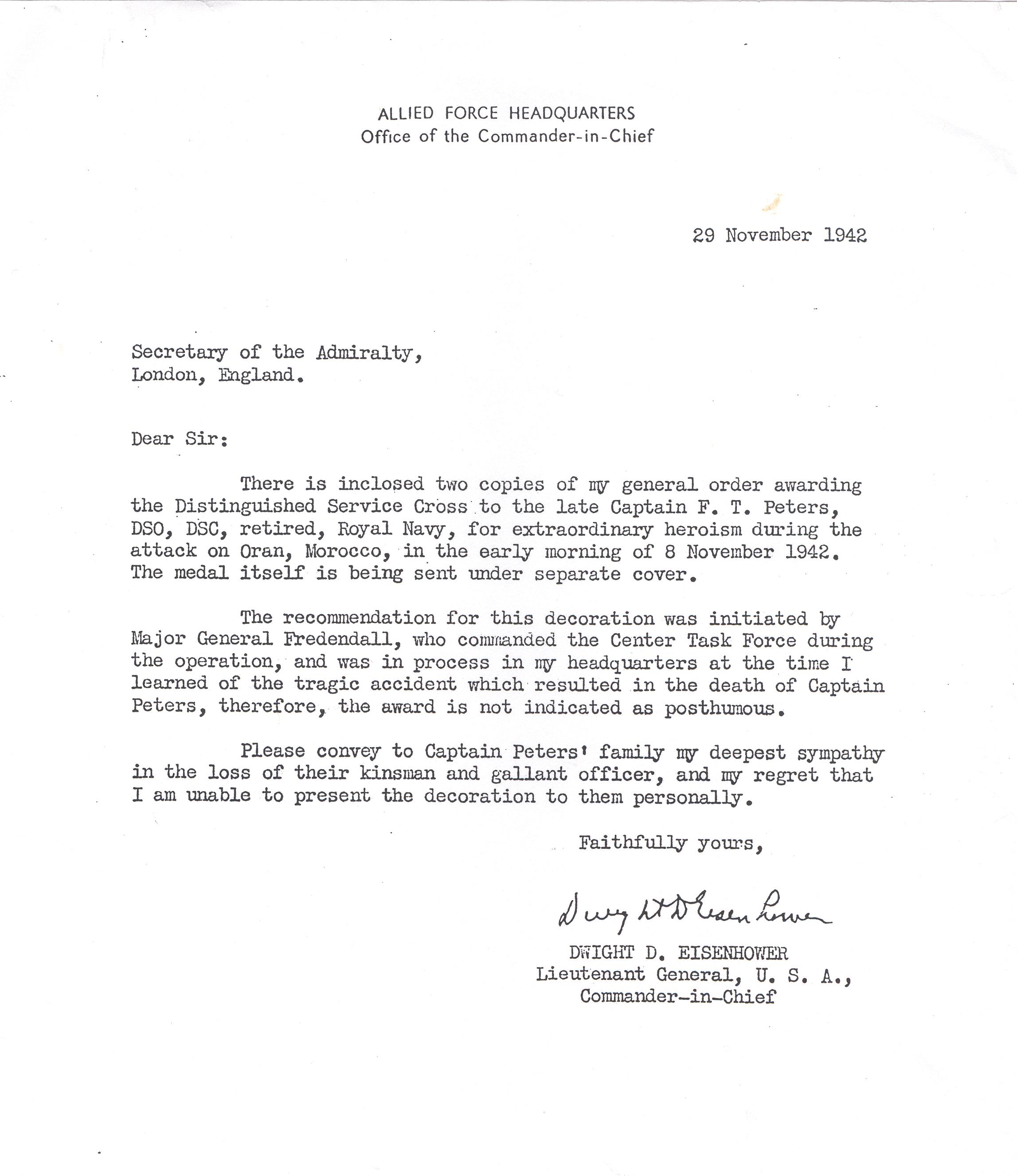
ABOVE: Nov. 29, 1942 letter from Eisenhower (Peters Family Papers).

In the letter above, dated Nov. 29, 1942, Lt. Gen. Dwight D. Eisenhower, overall commander of Operation Torch, the Allied invasion of North Africa, advises the British Admiralty that he is awarding the U.S. Distinguished Service Cross to Acting Captain Frederic Thornton “Fritz” Peters of the Royal Navy.

The letter was forwarded to Peters’ mother as next-of-kin as a memento of her son who tragically died when the flying boat transporting him back to England crashed in heavy fog in Plymouth Sound in the evening of Nov. 13, 1942. It was likely sent to Mrs. Peters in 1943 by either Adm. A.M. Peters (no relation to Fritz) or Adm. Sir Frederick Dalrymple-Hamilton, both of whom served terms as Secretary of the Admiralty and wrote letters to Mrs. Peters in response to her inquiries after Fritz’s death. While A.M. Peters was a casual acquaintance of Fritz, Dalrymple-Hamilton was a longstanding friend and naval colleague who was a fellow student with Fritz at Cordwalles Boys School in Maidenhead in the 1901-1904 period. The letter was retained by Mrs. Peters and her descendants, and is part of the Peters Family Papers on which the new book “The Bravest Canadian — Fritz Peters, VC: The Making of a Hero of Two World Wars” is based.

In the letter Eisenhower applauds Peters for “extraordinary heroism during the attack on Oran, Morocco in the early morning of 8 November 1942”. It is interesting that Eisenhower mistakenly says Oran is in Morocco, when it is actually the second largest city of Algeria. This may have just been a clerical oversight, or it may be a reflection of Eisenhower’s poor knowledge of North Africa geography.

It is also interesting that Eisenhower says Gen. Lloyd Fredendall, in command of the Centre Task Force to capture Oran in Operation Torch, had made the recommendation for Fritz’s American DSC medal. Fredendall strongly disliked his British allies and encouraged his staff to mock them with fake English accents. At the time this letter was written, Eisenhower was still a strong supporter of Fredendall, but in February 1943, after the humiliating defeat at Kasserine Pass, Fredendall was replaced as commander of II Corps by Gen. George S. Patton, and sent back to the States.

Oak Bay News reports on “The Bravest Canadian”

1 Comment

by Sam McBride

The October 20, 2012 issue of the Oak Bay News has a feature titled “Oak Bay Man a Forgotten Hero” about the new biography “The Bravest Canadian — Fritz Peters, VC: The Making of a Hero of Two World Wars”.

See the story at the following link:
http://www.oakbaynews.com/community/175002621.html

The community of Oak Bay, located immediately east of Victoria on the southeastern top of Vancouver Island in British Columbia, Canada, has a significant connection to the Fritz Peters story because he moved there from his native Prince Edward Island at age eight in 1898 with his family when his father Frederick Peters moved west to establish a law partnership in Victoria with fellow lawyer and politician Sir Charles Hibbert Tupper. Fritz lived in Oak Bay until joining the Royal Navy at age 15 in 1905, aside from time in England at the Bedford and Cordwalles boys’ schools.

Peters and Tupper built complementary, adjoining houses near York Place at Prospect Point in a new property recently developed by renowned architect Francis Rattenbury. J.R. Tiarks of the Rattenbury firm designed the Tupper and Peters house. The Tupper home took the name of “Annandale” and the Peters home was “Garrison House”. The family sold the house in about 1908 and moved to Esquimalt, and then three years later to Prince Rupert.

Seventieth Anniversary of Fritz Peters’ Victoria Cross Action of Nov. 8, 1942

Leave a comment

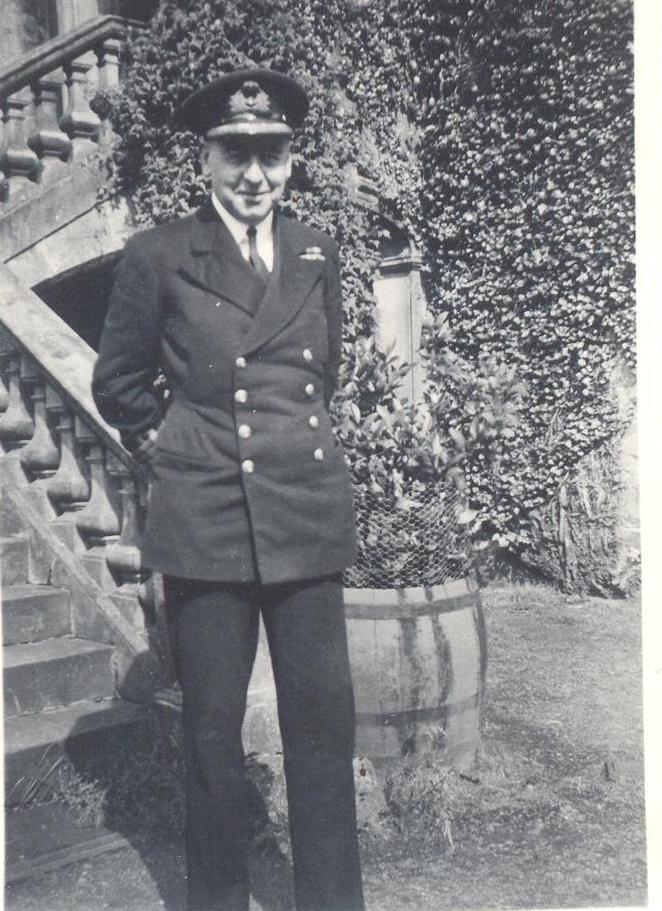
Capt. Frederic Thornton “Fritz” Peters, at Cleish Castle in Scotland, circa spring 1942. (McBride Collection)

November 8, 2012 will mark the 70th anniversary of the Allied invasion of North Africa, code-named Operation Torch, a turning point in the Second World War.

The date is also the 70th anniversary of the action in the harbour of Oran, Algeria which earned Canadian Capt. Frederic Thornton “Fritz” Peters, VC, DSO, DSC and bar, DSC (U.S.), RN the Victoria Cross and the U.S. Distinguished Service Cross – the highest awards for valour offered by Britain and the United States.

Born in Charlottetown, Prince Edward Island and raised in Victoria, British Columbia before joining the Royal Navy at age 15 in 1905, Peters is unique among Canadian war heroes in receiving multiple awards for valour in both World War One and World War Two.

The story of Fritz Peters is told in the new biography “The Bravest Canadian – Fritz Peters, VC: The Making of a Hero of Two World Wars”, by Trail, B.C. writer Sam McBride. The main sources used by the author are a recently-discovered collection of personal letters, photographs and other documents that reveal Peters’ personality, motivations and remarkable fearlessness and cool demeanor in battle.

Published by Granville Island Publishing of Vancouver, B.C., the book will be available in book stores, through amazon.com and in electronic formats in November 2012.

The invasion of Vichy French territory was the first large combined operation of British and American forces. The initial targets of the invasion were the two largest cities and ports in Algeria, Oran and Algiers, as well as Casablanca in Morocco.

The harbour attack began on Sunday, November 8, 1942 at 3 am — two hours after the first Allied troops landed on beaches on the west and east flanks of Oran — as the cutter HMS Walney at top speed smashed through the harbor boom, followed immediately by its sister ship HMS Hartland. Despite heavy fire from all directions and 90 per cent casualties among the crew, Peters was able to maneuver Walney close to its target landing site a mile and a half within the congested harbour.

Peters and other survivors were taken prisoner by the French defenders, but released two days later when the city surrendered to advancing American troops. Peters was carried through the streets of Oran as a hero, but tragically he died in the evening of Friday, November 13, 1942 when the flying boat transporting him back to England to report on the action to Prince Minister Winston Churchill crashed in heavy fog in Plymouth Sound.

The surrender of the last Nazi forces in North Africa in May 1943 in the French colony of Tunisia secured Allied shipping lanes in the Mediterranean and gave the Allies bases for subsequent invasions of Sicily, mainland Italy and France.

Biography of Canadian War Hero Fritz Peters ,VC

1 Comment

A new book tells the story of one of Canada’s most decorated – and least known — military heroes, Capt. Frederic Thornton “Fritz” Peters, VC, DSO, DSC and bar, DSC (U.S.), RN.

Previous attempts at biographies of Peters were stymied by a lack of information in official records, but The Bravest Canadian – Fritz Peters, VC: the Making of a Hero of Two World Wars by Sam McBride is based on a collection of recently-discovered personal letters that reveal his personality, motivations and chivalric ideals.   They also answer many questions about his mysterious life, including service with Britain’s Secret Intelligence Service, exploits in the Gold Coast colony of west Africa in the inter-war years, three stints of Royal Navy service over a 37-year period, and his tragic death in a flying boat crash returning to England after miraculously surviving heavy fire from all directions when he led a charge into the Vichy French-held Algerian port of Oran.

Published by Granville Island Publishing, The Bravest Canadian will be released in print and online in Canada and internationally in November 2012.

Book release coincides with 70th anniversary of Operation Torch

November 8, 2012 will mark the 70th anniversary of the Allied invasion of North Africa, code-named Operation Torch.  The invasion of Vichy French territory was the first large combined operation of British and American forces, and would prove to be a turning point in the war against Nazi Germany.   The initial targets of the invasion were Oran and Algiers in Algeria, and Casablanca in Morocco.

Fritz Peters’ courage in leading an attack by two converted Coast Guard cutters though barriers and inside Oran harbor at 3 a.m. on Nov. 8, 1942 in the face of point blank fire from French shore batteries and moored warships was honored with the highest awards for valor offered by Britain and the United States.

The surrender of the last Nazi forces in North Africa in May 1943 secured Allied shipping lanes in the Mediterranean and gave the Allies bases for subsequent invasions of Sicily, mainland Italy and France.

Born in Charlottetown, Prince Edward Island in 1889, Peters moved with his family in 1898 to Victoria, B.C., where he lived until joining the Royal Navy in 1905, aside from time in England at naval prep school.

He was determined to live up to his family’s tradition of military leadership and courage in battle, going back to United Empire Loyalist leaders in the Revolutionary War, a heroic general of the Crimean War, and his maternal grandfather Col. John Hamilton Gray, who was a career officer in the British Army before taking on a central role in the founding of Canada as a P.E.I. Father of Confederation and chairman of the Charlottetown Conference of 1864.   Peters’ father, P.E.I. Premier Frederick Peters, was a close grandson of shipping magnate Sir Samuel Cunard, one of the reasons why his son Fritz chose a career in the navy.
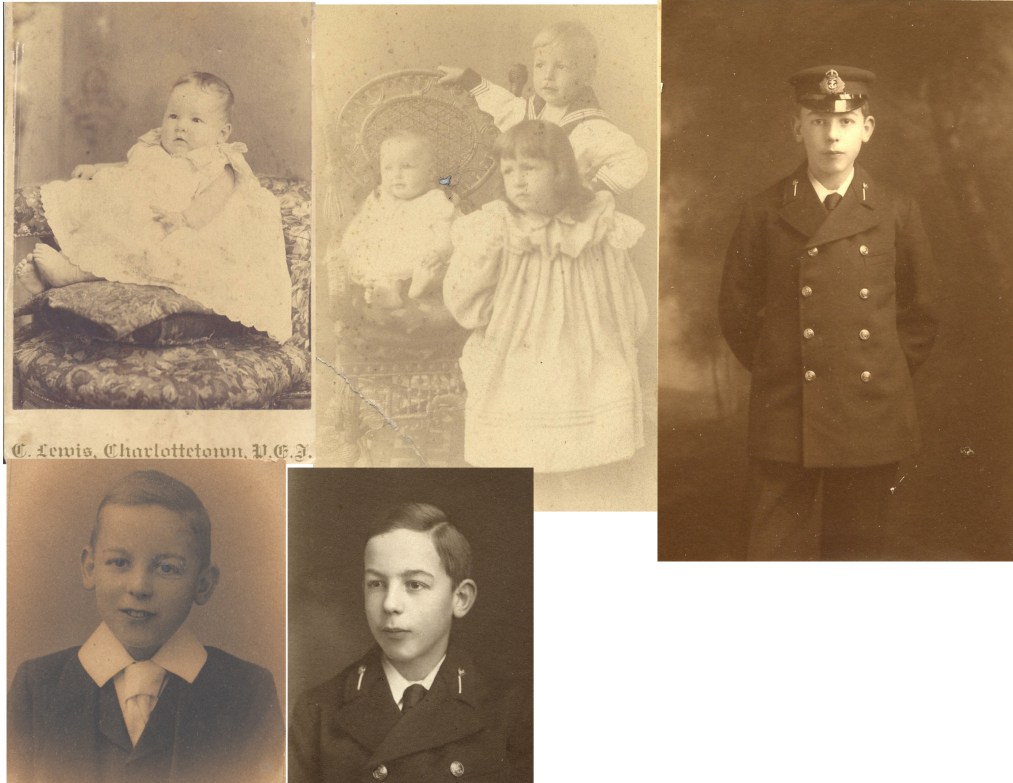
Image

ABOVE: clockwise from top left, Fritz as a baby in 1889; Fritz at right with sister Helen and baby brother Jack in 1892; two photos of him as a young naval cadet in about 1906; and in Bedford, England in about 1900.  (McBride Collection)

At age 53 in 1942, Fritz Peters was the oldest Victoria Cross (VC) recipient in the Second World War.  Twenty-seven years earlier, in January 1915, he received the Distinguished Service Order (DSO) medal, second only to the VC as an award for valor in battle.  He was also Mentioned in Dispatches, earned a British Distinguished Service Cross (DSC) in 1918, and then a bar to his DSC in 1940.  His Oran gallantry was recognized with the Victoria Cross and the U.S. Distinguished Service Cross, the highest medal for valor awarded by the U.S. to non-Americans.

In the inter-war years he developed technology for miniature submarines, and was an early user of plastic explosives and time-delay fuses in his work with secret intelligence.  In 1940 he commanded a school for spies and industrial sabotage for expatriates who later returned to their native countries in Occupied Europe to fight the Germans from within.  His staff at the school included the Soviet spies Kim Philby and Guy Burgess, who liked and admired their commander despite their personal political differences.  Philby’s memoirs are a major source on Peters as a planner, colleague and leader.

Peters’ admirers also included Prime Minister Winston Churchill, Allied commander-in-chief U.S. General Dwight Eisenhower, and British naval commander Admiral Sir Andrew Cunningham.  However, several of Eisenhower’s American underlings were bitter opponents of Peters in the planning and carrying out of the Oran harbor attack, and blamed him for heavy casualties suffered by U.S. troops.

Tragically, Peters died before he had a chance to tell his side of the story.  Later, British authorities chose to downplay the Oran action to avoid antagonizing the French when they resumed as allies against the Nazis.  Some government documents were destroyed, and others were kept secret for 30 years.  As a result, the personal story of Fritz Peters – recipient of six medals for valor in two world wars – remained a mystery until the author’s discovery of the Peters Family Papers.

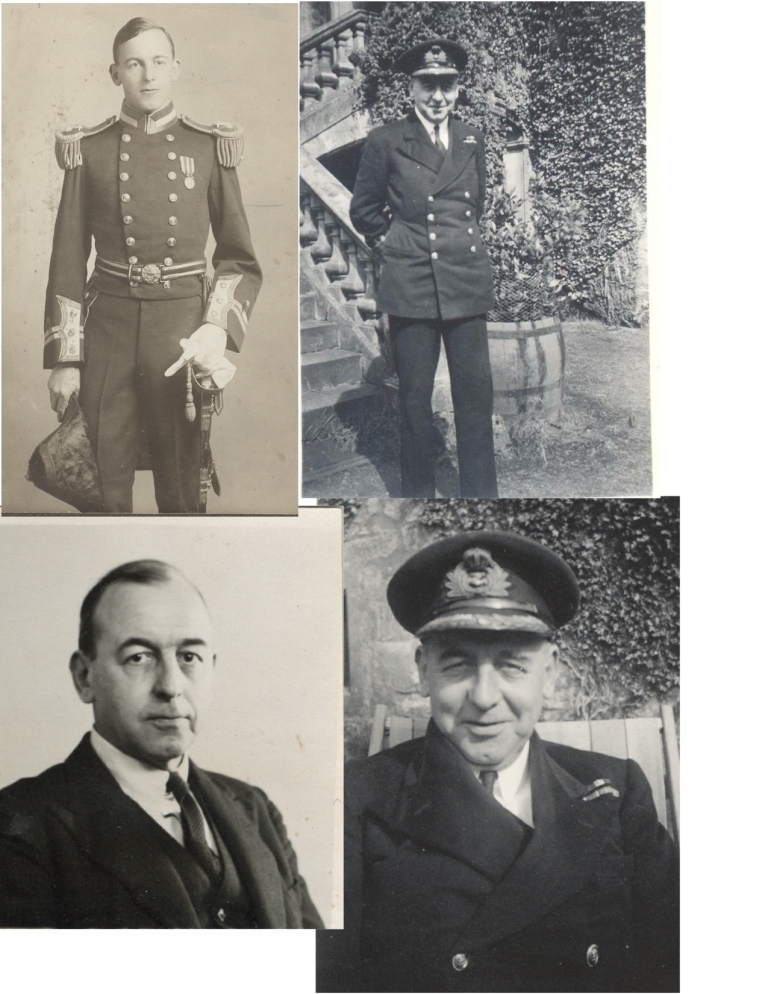
Clockwise from top left: Fritz as a lieutenant in about 1912; Fritz at Cleish Castle; photo of him soon before his final mission in 1942; and Fritz in about 1930. (McBride Collection)
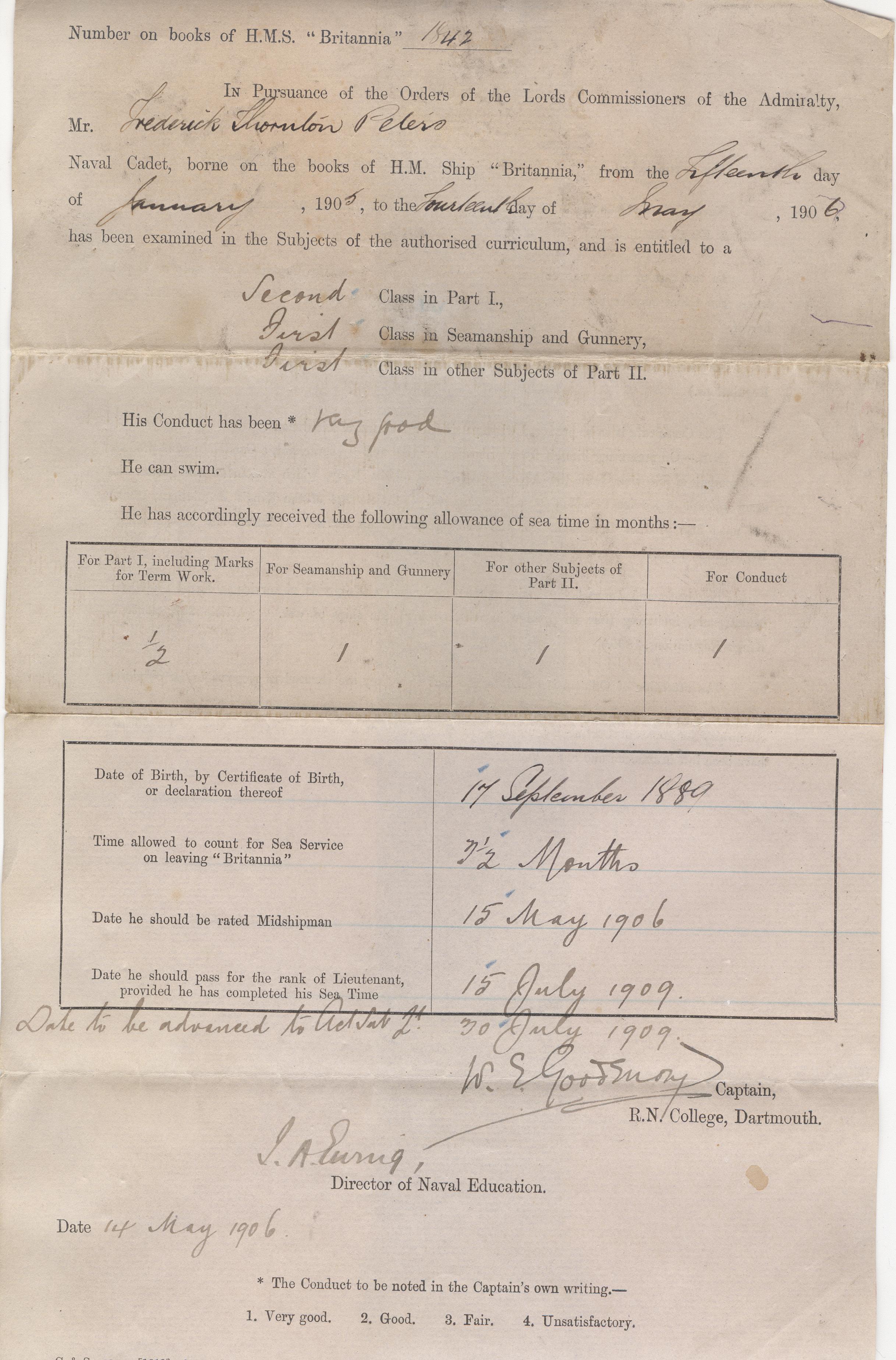
Fritz Peters’ Cadet Report in 1906

Leave a comment

by Sam McBride

The Peters Family Papers contain a wide array of personal letters, photographs, family history notes, and original documents such as the following report on his performance as a Royal Navy cadet on the training ship HMS Britannia from when he started with the navy on Jan. 15, 1905 until May 14, 1906.

Memorabilia such as this is the basis for my new book “The Bravest Canadian — Fritz Peters, VC: the Making of a Hero of Two World Wars”, to be released by Granville Island Publishing in September 2012.

November 8, 2012 will be the 70th anniversary of the action against Vichy French forces in the harbour of Oran, Algeria which earned Peters the Victoria Cross and the U.S. Distinguished Service Cross.

Frederic Thornton “Fritz” Peters in about 1906 (McBride Collection)

Implications of the sinking of “Titanic” in the Fritz Peters story

2 Comments

by Sam McBride

When the supposedly unsinkable RMS Titanic sank off the coast of Newfoundland during the evening of April 15, 1912 after hitting an iceberg, Frederic Thornton “Fritz” Peters was a 22-year-old newly-commissioned lieutenant at the Royal Navy’s China Station in the British colony of Weihaiwei on the northeast China coast.

While none of Fritz’s close relatives died in the Titanic disaster and he never mentioned the sinking in his letters home between 1914 and 1942, the disaster had a significant impact on his family.  His father, former Prince Edward Island premier Frederick Peters, abandoned his law practice in Victoria in 1911 to move north to the new community of Prince Rupert to take up the position of city solicitor.  He made the move at age 59 confident that he was getting in on the ground floor of boom town.  He had lost money in mining-related investments, and was hoping to get back on track financially in a thriving frontier economy.

Led by CEO Charles Melville Hays, the Grand Trunk Railway was going full speed in its program to develop Prince Rupert as a Pacific port to match thriving Vancouver.  Another booster of the Grand Trunk Railway and Prince Rupert was Frederick Peters’ longtime political ally, Prime Minister Sir Wilfrid Laurier, who visited Prince Rupert in 1910 and expressed his government’s support for port development.

The death of Hays in the Titanic disaster was a major blow to Prince Rupert, as he championed the port development project and had not shared his detailed plans for it with anyone else before his death.  Frederick Peters would spend the last seven years of his life working to keep the fledgling Prince Rupert community from bankruptcy.   When Fritz retired from the Royal Navy in 1913 he said the main reason was to “add to my family’s coffers”.

His father Frederick Peters’ finances were reduced to the point that his wife Bertha needed to collect contributions from her sons’ military pay so she could travel to England during the war years to be close to her sons fighting in the First World War.

The Peters family would also have taken a great interest in the Titanic story because of their heritage as descendants of steamship magnate Sir Samuel Cunard.  Fritz’s father Frederick Peters knew his grandfather Samuel Cunard well from Cunard’s many visits to Charlottetown before his death in 1865 when Frederick was 13.

Titanic was built and operated by the White Star Line, which was the chief rival of the Cunard company in trans-Atlantic travel.   Titanic and its sister ships Olympic and Britannic were built in response to the Cunarders RMS Mauretania, which began service in 1906, and RMS Lusitania, launched in 1907.

A key reason for the success of the Cunard company since its inception in 1840 was its commitment to safety as top priority.  The sinking of Titanic was one more instance of loss of life by Cunard competitors obsessed with speed or otherwise careless about safety.  In the 19th century the U.S. Congress provided grants towards establishing the Collins company as a dominant force in trans-Atlantic travel, but it was devastated by many well-publicized wrecks and fatalities at sea.

The exception to the Cunard record of safety was during wartime, when many Cunard vessels were seconded for British use in the war.  Half of the Cunard fleet was sunk by German u-boats in the First World War, including Lusitania and RMS Carpathia, which rescued the Titanic survivors in 1912.

Fritz’s Cunard cousins ceased being involved in the management of the company in the 1920s.

One of the jobs Fritz had after his first retirement from the Royal Navy in 1913 was as third engineer with Canadian Pacific Railway ships in the interior of British Columbia.  He left that position when he rejoined the Royal Navy in August 1914 at the outbreak of the First World War.  There is no record of him returning to civilian service at sea after retiring a second time from the Royal Navy in 1920.

In 1934 White Star merged with Cunard in a new company called Cunard White Star Limited.  By 1949 Cunard had acquired all of White Star’s assets, and reverted to using the single name “Cunard”.  Today, Cunard is a subsidiary of Carnival Corporation and PLC.

Sources: Peters Family Papers, “Steam Lion: a Biography of Samuel Cunard” by John G. Langley, unpublished memoirs of Commander David Joel, RN.

Older Entries Newer Entries